
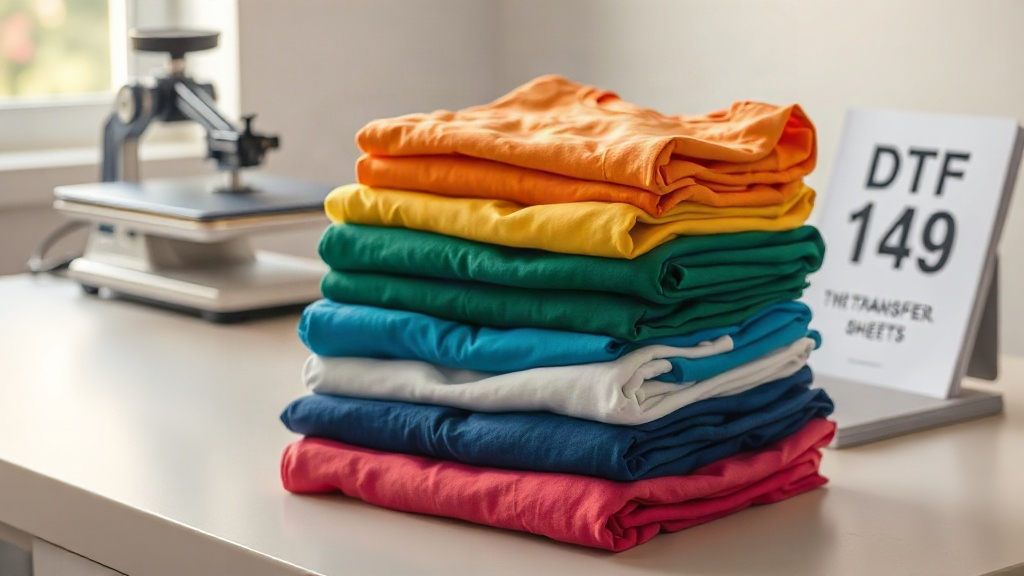
When you pull a freshly pressed DTF transfers shirt off the platen, the last thing you want is a print that looks dull, cracked, or washed out. The secret to a flawless finish isn't just in your transfer paper or press settings. It often comes down to the blank you choose. In this guide, we'll explore how smart blanks and Shaka Wear tees can transform your DTF results and why they've become go-to choices for serious decorators.
What Are Smart Blanks and Why Do They Matter for DTF?
Smart blanks are garments engineered with specific fiber blends and finishes to optimize print adhesion and durability. Unlike generic tees, they undergo rigorous testing to ensure they work seamlessly with heat-applied transfers like DTF. The difference is noticeable: prints adhere better, colors pop, and the hand feel remains soft.
For DTF, the blank's composition is critical. Polyester blends, for example, can repel water-based adhesives if not treated properly, while 100% cotton might require different pressing parameters. Smart blanks eliminate the guesswork. They're pre-shrunk, have a smooth surface, and are often treated with a special coating that helps the transfer bond without scorching.
Key Features That Make a Blank 'Smart'
- Fiber blend: Usually a cotton-poly mix that balances softness and durability.
- Surface finish: Smooth, ring-spun yarns for even ink absorption.
- Pre-shrunk: Reduces movement during pressing and after washing.
- Consistent dyeing: Ensures your DTF colors look true to design.
When you use a smart blank, you're not just buying a t-shirt; you're investing in a predictable outcome. That predictability is gold when you're fulfilling bulk orders or offering premium custom apparel.
Shaka Wear: A Cut Above the Rest
Among smart blanks, Shaka Wear has carved a niche for itself. Known for heavyweight fabrics and superior construction, Shaka Wear tees are a favorite among streetwear brands and DTF printers alike. Their 100% cotton and cotton-poly blends provide an ideal canvas for DTF transfers.
What sets Shaka Wear apart is their attention to detail. The fabric is tightly knit, which prevents the transfer from sinking into the weave, resulting in a brighter, more detailed print. The tees also hold their shape wash after wash, so your DTF design stays put without cracking or peeling.
Why Shaka Wear Excels with DTF
- Heavyweight fabric: Provides a stable base that resists puckering.
- Double-needle stitching: Enhances durability, especially around seams.
- Pre-shrunk: Minimizes shrinkage that could distort the print.
- Wide color range: From classic white to bold hues, perfect for any design.
I've personally pressed hundreds of DTF transfers onto Shaka Wear tees, and the results are consistently impressive. The transfers adhere smoothly, and the colors remain vibrant even after multiple washes. It's no wonder many decorators consider Shaka Wear the gold standard for DTF-friendly blanks.
How to Choose the Right Blank for DTF Transfers
Not all blanks are created equal. When selecting a blank for DTF, consider these factors:
1. Fabric Composition
Cotton-poly blends are generally the best for DTF because they combine the softness of cotton with the durability of polyester. 100% cotton works well too, but may require a slightly higher press temperature. Avoid 100% polyester unless it's specifically treated for DTF, as the transfer may not adhere properly.
2. Weight and Texture
Heavier fabrics (like 5.5 oz and above) provide a more premium feel and are less likely to wrinkle during pressing. A smooth, ring-spun surface ensures the transfer makes full contact, preventing uneven adhesion.
3. Color and Opacity
If you're printing on dark colors, you'll need a DTF transfer with a white base layer. Smart blanks and Shaka Wear tees are dyed consistently, so you won't encounter surprises like color bleeding or uneven backgrounds.
Pro tip: Always request swatches or sample blanks before committing to a bulk order. Test your DTF transfers on them to ensure compatibility.
Maximizing DTF Transfer Durability on Smart Blanks
Even with the best blank, proper application is key. Follow these steps to ensure your DTF transfers last:
- Pre-press the garment: Remove moisture and wrinkles.
- Use the right temperature: Typically 325°F for 15 seconds for DTF.
- Apply consistent pressure: Medium to heavy pressure ensures full contact.
- Peel cool: Wait until the transfer is cool to the touch before peeling.
- Post-press: Cover with parchment and press again for 5 seconds to enhance durability.
Following these steps on a Shaka Wear tee will yield a print that survives dozens of washes without fading or cracking. I've seen shirts that are years old still looking fresh, which speaks volumes about the combination of quality blanks and proper technique.
Common Mistakes to Avoid with DTF on Smart Blanks
Even seasoned decorators can slip up. Here are pitfalls to watch for:
- Using too much heat: Can scorch the fabric or cause the transfer to gel.
- Insufficient pressure: Leads to poor adhesion and early peeling.
- Ignoring fabric content: Pressing polyester at cotton temperatures can melt the fabric.
- Skipping pre-press: Moisture trapped in the fabric creates steam, ruining the transfer.
Avoid these mistakes, and you'll get professional results every time.
Frequently Asked Questions
Can I use DTF transfers on 100% polyester Shaka Wear tees?
Yes, but you need to adjust your press settings. Lower the temperature to around 280-300°F and use light pressure to avoid damaging the fabric. Always test first.
How do I prevent DTF transfers from cracking on smart blanks?
Cracking usually happens due to insufficient pressure or stretching the garment during peeling. Ensure even pressure and let the transfer cool completely before peeling. Also, wash the garment inside out in cold water and avoid bleach.
Are smart blanks more expensive than regular blanks?
They can be slightly pricier, but the reduced waste and higher customer satisfaction often justify the cost. Plus, you'll spend less time redoing orders due to failed transfers.
What's the best way to store DTF transfers before pressing?
Keep them in a cool, dry place away from direct sunlight. Humidity can affect the adhesive, so store them in airtight bags if possible.
Do I need a special press for DTF on Shaka Wear?
No, a standard heat press works fine. Just ensure it can maintain consistent temperature and pressure. A clamshell or swing-away press both work well.
Final Thoughts
Choosing the right blank is half the battle in DTF printing. Smart blanks like Shaka Wear give you a reliable foundation for vibrant, durable DTF transfers. By understanding fabric properties and fine-tuning your process, you'll deliver products that keep customers coming back. So next time you order blanks, think smart. Your prints will thank you.