
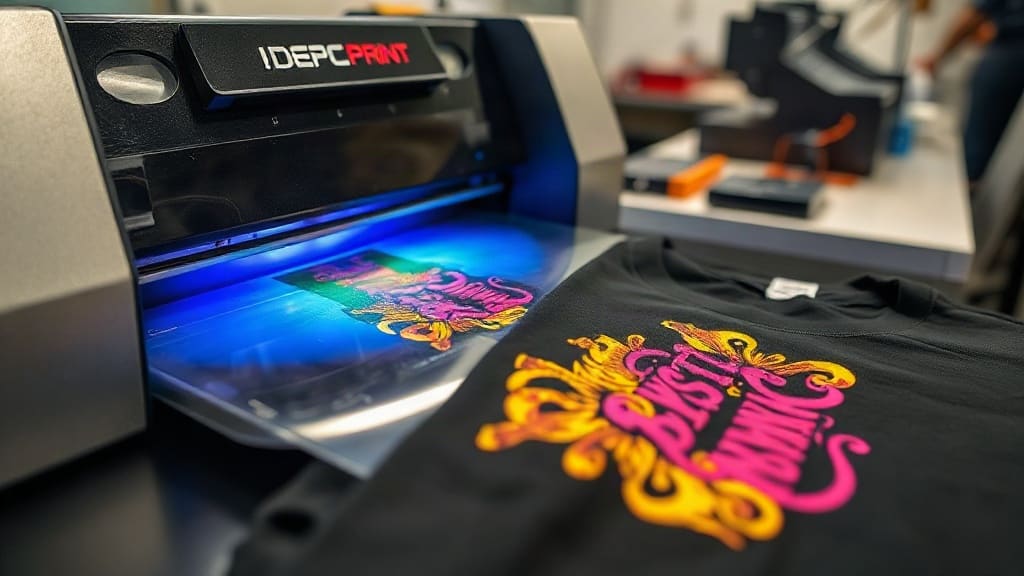
DTF printing has taken the custom apparel world by storm. If you've been searching for a way to create vibrant, durable prints on various fabrics without the hassle of screens or expensive equipment, you've likely come across this term. But what exactly is it? In this guide, I'll break down everything you need to know about DTF printing: how it works, its benefits and drawbacks, and how it stacks up against other popular methods. Whether you're a small business owner, a hobbyist, or just curious, this article will give you a clear picture.
What Is DTF Printing?
DTF stands for Direct-to-Film. It's a printing method where a design is printed onto a special PET film using a specialized inkjet printer and then transferred onto fabric using heat and pressure. Unlike direct-to-garment (DTG) printing, which prints directly onto the shirt, DTF prints onto a film first. This film is then placed on the garment, and with a heat press, the design adheres to the fabric.
How Does DTF Printing Work?
The process might sound simple, but it involves specific steps and materials. Let me walk you through it:
- Design Creation: You create your design digitally, just like for any other print method.
- Printing onto Film: The design is printed onto a PET film using a printer equipped with white ink and CMYK colors. The white ink is crucial because it creates a base layer that makes colors pop on dark garments.
- Applying Adhesive Powder: While the ink is still wet, a hot-melt adhesive powder is applied to the film. This powder sticks to the wet ink and is then melted during the heat press.
- Drying: The film is passed through a dryer or heat source to cure the powder and ensure it sticks properly.
- Heat Transfer: The film is placed on the garment (with the design facing down), and a heat press applies pressure and heat (usually around 300°F for 15-20 seconds). This melts the adhesive and transfers the design onto the fabric.
- Peeling: After cooling, the film is peeled away, leaving the design on the garment. The result is a soft, durable print that can stretch and wash well.
This process might sound similar to other heat transfer methods, but the key difference is the use of PET film and the adhesive powder, which give DTF its unique advantages.
Pros and Cons of DTF Printing
Like any technology, DTF has its strengths and weaknesses. Here's a balanced look:
Advantages of DTF
- Versatility: You can print on almost any fabric, including cotton, polyester, blends, and even nylon. This makes it ideal for a wide range of products beyond t-shirts, such as hoodies, hats, and bags.
- Durability: The adhesive powder creates a strong bond, so prints can withstand repeated washing without cracking or fading. In my experience, DTF prints last quite well.
- Soft Hand Feel: The prints are thin and flexible, so they don't feel heavy or stiff on the garment. This is a huge plus for customers who care about comfort.
- No Pre-Treatment: Unlike DTG, you don't need to pre-treat every garment. This saves time and money.
- High Color Vibrancy: The white ink base ensures colors are bright and vivid, especially on dark shirts.
- Easy for Small Runs: Since there are no screens, you can print single items or small batches cost-effectively. This is perfect for custom orders.
Disadvantages of DTF
- Learning Curve: There are many variables: printer settings, powder application, heat press time and temperature. Getting consistent results takes practice.
- Equipment Investment: You need a printer that supports white ink, a heat press, and a powder applicator. This can be costly, though prices are dropping.
- Production Speed: For large orders, DTF can be slower than screen printing, especially when you factor in the powder and drying steps.
- Film Waste: You'll have PET film waste, which isn't always recyclable. If you're eco-conscious, this might be a concern.
- White Ink Maintenance: White ink is prone to clogging if not used regularly. You'll need to maintain your printer carefully.
DTF vs. Other Printing Methods
To help you decide if DTF is right for you, let's compare it to two common alternatives: DTG and screen printing.
DTF vs. DTG
DTG (Direct-to-Garment) prints directly onto the shirt using a printer similar to an inkjet. It's excellent for detailed, full-color designs, but it requires pre-treatment on certain fabrics, especially dark cotton. DTF is more versatile because it works on polyester and blends without pre-treatment. Also, DTF prints tend to have a softer feel compared to DTG, which can sometimes feel a bit plasticky. However, DTG is faster for one-off prints because you skip the film and powder steps. For small orders, both are viable, but DTF shines when you need to print on varied items.
DTF vs. Screen Printing
Screen printing is the old standard for bulk orders, especially when you need vibrant colors on light garments. It's cost-effective for large quantities, but it requires setting up screens, which is time-consuming and expensive for small runs. DTF eliminates the need for screens, making it perfect for personalized or short-run orders. However, screen printing is still unbeatable for massive orders where the per-unit cost matters most. If you're doing a run of 1000 shirts, screen printing will likely be cheaper. But for 10 shirts, DTF is more practical.
Best Uses for DTF Printing
So, where does DTF excel? Here are some scenarios:
- Custom Apparel Businesses: If you run an online store or print-on-demand service, DTF is fantastic. You can print each order on demand without worrying about minimums.
- Sports Teams and Events: Need matching jerseys or event t-shirts quickly? DTF allows you to produce small batches with full-color logos easily.
- Hats and Accessories: Because it works on many fabrics, you can print on caps, tote bags, and even aprons.
- Prototyping: If you're testing a design before committing to a large run, DTF is perfect for creating samples.
Getting Started with DTF: What You Need
If you're convinced DTF is right for you, here's a list of essential equipment:
- DTF Printer: You can convert an existing Epson printer or buy a dedicated DTF printer. Look for one that supports white ink and has a CMYK+White configuration.
- Heat Press: A standard heat press works fine, but you'll need to ensure it can reach at least 300°F and provides even pressure.
- Adhesive Powder: You'll need hot-melt powder specifically designed for DTF.
- PET Film: This is the transfer film. Choose a high-quality one to avoid issues.
- Curing Oven or Dryer: While some people use a heat press for curing the powder, a dedicated dryer speeds up the process and ensures even melting.
- Software: You'll need design software and possibly a RIP software to manage prints.
Start with a small setup and practice. I remember my first DTF print was a disaster because I didn't apply enough powder. But after a few tries, you'll get the hang of it.
Tips for Successful DTF Prints
- Test Your Settings: Every fabric is different. Always do a test print on a scrap piece before committing to the actual garment.
- Use High-Quality Files: Ensure your designs are high resolution (at least 300 DPI) to avoid pixelation.
- Maintain Your Printer: Clean your print heads regularly, especially the white ink, to prevent clogs.
- Handle the Film Carefully: Dust and fingerprints can affect adhesion. Store film in a clean, dry place.
- Peel When Cool: Wait for the transfer to cool down before peeling. This helps the design stick better.
Frequently Asked Questions
Is DTF printing durable?
Yes, DTF prints are known for their durability. The adhesive powder creates a strong bond, and the ink is designed to withstand repeated washing. In my experience, a properly applied DTF print can last for years without cracking or fading, even on heavily used items like work uniforms.
Can I use DTF on any fabric?
Almost any fabric works with DTF, including cotton, polyester, blends, and even some synthetic materials like nylon. However, very rough textures like heavy fleece might require extra care. Always test on a small piece first.
Do I need a special printer for DTF?
Yes, you need a printer that can handle white ink and has a CMYK+White configuration. Some Epson printers can be converted with a DTF conversion kit, but dedicated DTF printers are simpler and more reliable.
How much does DTF printing cost?
The initial investment can range from $1,000 to $5,000 for a complete starter setup, depending on the printer and accessories. Per-print costs are relatively low, making it economical for small runs.
What is the difference between DTF and heat transfer vinyl?
DTF prints a full-color design onto film, while heat transfer vinyl (HTV) requires cutting out individual layers and weeding. DTF is quicker for complex, multi-colored designs, while HTV is better for simple, single-color graphics.
Final Thoughts
DTF printing is a versatile and exciting method that's accessible to small businesses and hobbyists alike. It combines the best of DTG and screen printing, offering vibrant, durable prints without the drawbacks of pre-treatment or screen setup. While there is a learning curve, the investment is worth it if you're looking to expand your product range or start a custom apparel venture. I've been using DTF for over a year now, and it's become my go-to for custom orders. Give it a try, and I'm sure you'll love the results.