
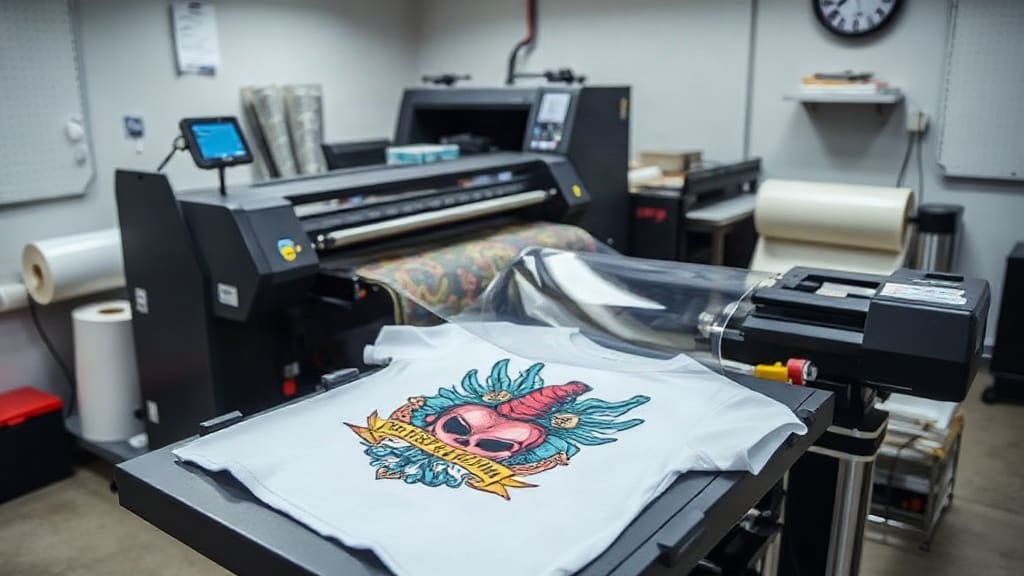
If you're in the custom apparel business, you've likely heard about DTF transfers. These versatile heat transfers have revolutionized the way we print on garments, offering a cost-effective and high-quality alternative to traditional methods. In this guide, we'll dive deep into what DTF transfers are, how they work, and why they might be the perfect solution for your printing needs. Whether you're a seasoned professional or just starting, this comprehensive overview will help you understand the ins and outs of DTF technology.
What Are DTF Transfers?
DTF stands for Direct to Film. It's a printing method where a design is printed onto a special film using a DTF printer, then transferred onto fabric using a heat press. Unlike direct-to-garment (DTG) printing, which prints directly onto the shirt, DTF prints onto a film first, allowing for greater flexibility in terms of fabric types and production efficiency.
The process involves printing a mirrored image onto a PET film, applying a powder adhesive, and then curing it. When you're ready to transfer, you place the film on the garment, apply heat and pressure, and peel it off to reveal a vibrant, durable design. This method works on a wide range of materials, including cotton, polyester, blends, and even leather.
Why Choose DTF Transfers?
There are several reasons why DTF has become a popular choice among custom printers:
- Versatility: DTF transfers can be applied to almost any fabric, making them ideal for a variety of products, from t-shirts to tote bags.
- Durability: The prints are stretchable and resistant to cracking, making them great for everyday wear.
- Cost-Effective: For small to medium runs, DTF can be more economical than DTG because there's no pre-treatment required and you can print on demand.
- Soft Hand Feel: DTF prints have a soft texture, especially when compared to traditional screen printing.
DTF vs. DTG: What's the Difference?
Many people confuse DTF with DTG, but they have distinct differences. DTG (Direct to Garment) is like an inkjet printer for shirts, spraying ink directly onto the fabric. DTF, on the other hand, prints onto a film which is then heat-pressed onto the garment.
DTG requires a pretreatment for cotton garments, and it's not as effective on polyester. DTF, however, works beautifully on both natural and synthetic fibers. Additionally, DTF transfers can be stored and applied later, making them perfect for bulk orders or for creating a stock of designs.
The DTF Printing Process Step by Step
Let's walk through the process of creating a DTF transfer from start to finish.
Step 1: Design and Print
First, you need a high-resolution design. Use graphic software like Adobe Illustrator or Photoshop, and ensure the design has a minimum resolution of 300 DPI. The colors should be set to CMYK for accurate printing. Then, using a DTF printer, you print the design onto a special PET film. The film has a coating that holds the ink.
Step 2: Apply Adhesive Powder
After printing, while the ink is still wet, you sprinkle a hot-melt adhesive powder over the printed area. This powder is what will bond the design to the fabric. Some systems use a powder shaker, but you can also do it manually with a spatula, ensuring even coverage.
Step 3: Cure the Powder
Next, you need to melt the powder to activate its adhesive properties. This is done by passing the film through a curing oven or using a heat press at a lower temperature. The powder becomes tacky, securing itself to the ink.
Step 4: Transfer to Garment
Once the film is ready, you place it on the garment with the printed side down. Using a heat press, you apply pressure and heat (usually around 160°C for 15 seconds, but follow your specific film's instructions). After pressing, you peel off the film, and your design is now permanently fused to the fabric.
Tips for Perfect DTF Transfers
To get the best results, consider these expert tips:
- Test on Fabric: Always test your transfer on a sample piece of the same fabric to ensure proper adhesion and color vibrancy.
- Use the Right Settings: Different films and adhesives have specific temperature and time requirements. Don't guess; read the manufacturer's guidelines.
- Handle with Care: The printed film is sensitive. Handle it by the edges to avoid smudging the ink or powder.
- Store Properly: If you're storing pre-printed transfers, keep them in a cool, dry place away from direct sunlight.
Creative Applications of DTF Transfers
DTF isn't just for t-shirts. You can use these transfers on a wide array of products:
- Sportswear: Perfect for jerseys and athletic wear due to their stretch and durability.
- Workwear: Great for company uniforms, as they withstand frequent washing.
- Home Textiles: Customize pillowcases, towels, and curtains.
- Accessories: Add personalized designs to caps, bags, and even shoes.
Designing for DTF
When creating designs for DTF transfers, keep these points in mind:
- Use Vector Files: Whenever possible, use vector graphics (like SVG or AI) to ensure scalability without loss of quality.
- Watch Your Colors: Colors may appear slightly different on film than on screen. Do test prints to check.
- Consider the Film: Your design will be printed on a transparent film, so ensure your artwork has a white base if it's on dark garments. DTF printers typically print white ink as a base layer.
- Keep Details in Mind: Very fine details and small text may not transfer well, especially if the fabric is textured. Avoid extremely intricate patterns.
Common Mistakes to Avoid
Even experienced printers can make errors. Here are some pitfalls to steer clear of:
- Skipping the Test: Always do a test transfer before a big run. This saves time and money in the long run.
- Incorrect Temperature: Too hot can melt the adhesive excessively, and too cool won't bond properly. Both cause issues.
- Not Curing the Powder: If the powder isn't cured, it might not stick to the ink, leading to poor adhesion later.
- Poor Film Handling: Scratching or bending the film can ruin the transfer.
DTF Transfers: A Smart Business Move
If you're considering adding DTF transfers to your services, it's a wise investment. The startup cost is relatively low compared to other printing methods, and the versatility allows you to cater to a broader clientele. Many businesses use DTF to fulfill small orders, sample orders, or even as a backup for their screen printing.
For those who don't want to invest in a DTF printer, you can still take advantage of DTF transfers by purchasing pre-printed sheets from suppliers. This is an excellent way to test the waters without a hefty upfront cost.
Frequently Asked Questions
What is the best fabric for DTF transfers?
DTF transfers work best on cotton, polyester, and cotton-poly blends. They also perform well on other materials like nylon and leather, though you should always test a small area first to ensure adhesion and durability.
Can DTF transfers be used on dark-colored garments?
Yes, absolutely. DTF printing includes a white ink base layer, which makes the colors pop on dark fabrics. This is one of the advantages over DTG, which often requires additional layers for dark shirts.
How many washes can a DTF transfer withstand?
With proper application, a DTF transfer can last for 60+ washes without significant fading or cracking. To maximize lifespan, wash garments inside out in cold water and avoid using high heat in the dryer.
Do I need a special printer for DTF transfers?
Yes, you need a DTF printer, which is essentially a modified inkjet printer that can handle white ink and the special film. However, there are also conversion kits available for certain printers, but it's recommended to use a dedicated DTF printer for consistent results.
In conclusion, DTF transfers offer a fantastic opportunity for customization and business growth. With their versatility, durability, and cost-effectiveness, they're becoming a staple in the printing industry. Whether you're a hobbyist or a professional, understanding this technology can open new doors. So, grab a design, some film, and start experimenting. Your next favorite project might just be a DTF transfer away.