
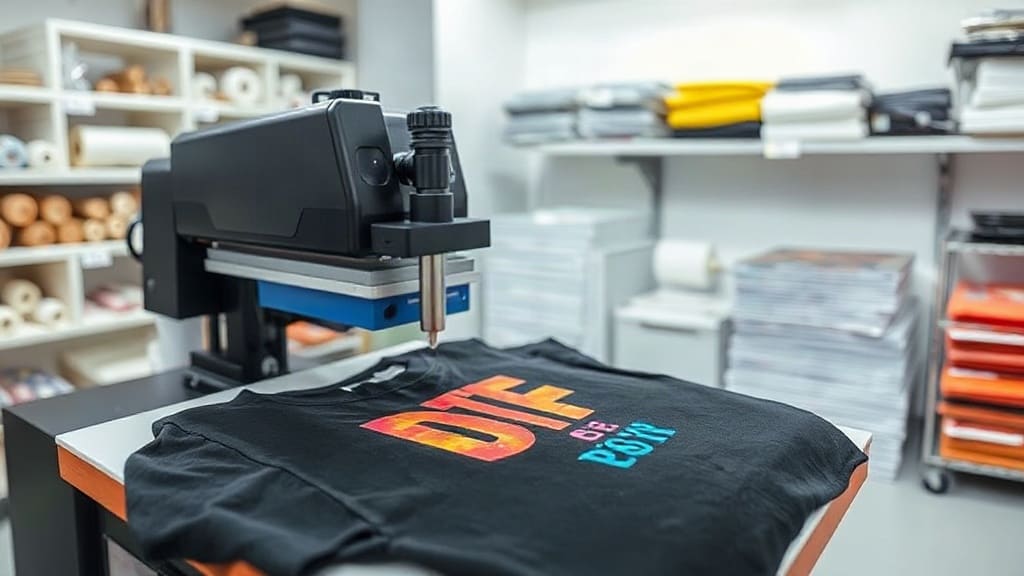
If you're in the custom apparel business, you've probably heard about DTF (Direct to Film) transfers. They're taking the industry by storm because they offer vibrant colors, excellent durability, and work on a wide range of fabrics. But when you need transfers quickly or want to avoid shipping costs, finding dtf transfers near me becomes a priority. The challenge is knowing which local supplier is worth your time and money. In this guide, I'll walk you through what to look for, questions to ask, and how to ensure you get high-quality transfers every time.
What Are DTF Transfers and Why Are They So Popular?
DTF transfers are printed onto a special PET film using a DTF printer, then coated with adhesive powder. To apply, you simply heat press the film onto your garment, peel it off, and you're done. Unlike screen printing, DTF allows for full-color prints with no setup fees, making it ideal for small orders and complex designs. And unlike vinyl, DTF can produce photographic quality without weeding.
The popularity of DTF has exploded because it's versatile and cost-effective. You can print on cotton, polyester, blends, and even leather or denim. The transfers have a soft hand feel and can withstand many washes. But the key to success is using high-quality transfers, which is why finding a reliable local supplier is so important.
Why Look for a Local Supplier?
When you search for "dtf transfers near me," you're looking for more than just convenience. Local suppliers offer several advantages:
- Faster turnaround: You can get your transfers in days, not weeks, which is crucial for last-minute orders.
- No shipping costs: You save money and avoid the risk of damaged packages.
- Personal interaction: You can visit the supplier, see samples, and build a relationship.
- Support local economy: You're helping a nearby business thrive.
However, not all local suppliers are created equal. You need to evaluate them carefully to ensure they can deliver the quality you need.
How to Find DTF Transfers Near You
Start by doing a simple online search using the exact phrase "dtf transfers near me." Look at the top results, but don't just pick the first one. Here's a more systematic approach:
1. Use Search Engines and Maps
Google Maps is a goldmine. Search for "DTF printing" or "DTF transfers" in your city. You'll see a list of nearby businesses with reviews, contact info, and websites. Pay attention to ratings and read a few reviews to get a sense of their reliability.
2. Check Social Media and Online Communities
Facebook groups for apparel decorators often have recommendations. Join local printing communities and ask for referrals. People are usually happy to share their experiences, both good and bad.
3. Visit Trade Shows and Local Events
If you attend industry events like the ISS or local craft fairs, you'll meet suppliers in person. This is a great way to see their work and ask detailed questions.
4. Ask Other Business Owners
If you know other people who do custom printing, ask where they get their transfers. Word-of-mouth is often the most reliable source.
What to Look for in a DTF Supplier
Once you have a list of potential suppliers, it's time to evaluate them. Here are the critical factors to consider:
Quality of the Transfers
The most important thing is the quality of the final product. Ask for samples or order a test run. The transfer should have vibrant colors, crisp details, and a soft feel once applied. Also, check the opacity: on dark garments, the white base should be solid and not crack after washing.
Printing Technology and Materials
Ask about their equipment and materials. High-quality DTF printing uses genuine inks, films, and adhesive powders. If they use cheap alternatives, the transfers might not last.
Turnaround Time
How quickly can they produce and deliver? For local suppliers, typical turnaround is 2-5 business days, but many offer rush services. Make sure they can meet your deadlines.
Pricing and Minimums
Compare prices per transfer, but remember that the cheapest isn't always the best. Look for transparent pricing with no hidden fees. Also, check if they have minimum order quantities (MOQs). Some suppliers require a minimum of 10 or 20 transfers, which might be fine if you need bulk.
Customer Service
Do they respond quickly to inquiries? Are they helpful and knowledgeable? Good communication is essential, especially when you have specific requirements or issues.
Reputation and Reviews
Check their online reviews on Google, Yelp, and social media. Look for patterns: if multiple reviews mention inconsistent quality or late deliveries, steer clear.
Questions to Ask a Potential Supplier
Before you commit, ask these questions to ensure they're a good fit:
- Can I see a sample of your work?
- What file formats do you accept?
- What is your turnaround time for standard and rush orders?
- Do you offer color matching?
- What is your MOQ?
- How do you handle defects or mistakes?
- Do you provide a proof before printing?
Their answers will give you insight into their professionalism and capabilities.
Comparing Local vs. Online DTF Suppliers
While the search for "dtf transfers near me" is a great starting point, you might wonder if online suppliers are a better option. Let's compare:
Local Suppliers
- Pros: Faster shipping, no shipping costs, personal support, ability to inspect quality firsthand.
- Cons: May have higher prices due to overhead, limited selection, and possibly fewer advanced capabilities.
Online Suppliers
- Pros: Often lower prices, wider range of products, can serve remote areas, and sometimes better printing technology.
- Cons: Shipping costs and wait times, no face-to-face interaction, risk of miscommunication.
In many cases, a combination works best: use a local supplier for quick orders and emergencies, and an online supplier for bulk or special projects. But if you value convenience and immediate access, local is the way to go.
How to Test the Quality of DTF Transfers
Once you've chosen a supplier, it's wise to do a test order before committing to a large batch. Here's how to evaluate the transfers:
Apply the Transfer Properly
Make sure you follow the supplier's recommended temperature, time, and pressure settings. If you're not sure, ask them. A proper application is crucial to test the transfer's true quality.
Perform a Wash Test
Wash the garment multiple times and check for peeling, cracking, or fading. High-quality DTF transfers should withstand at least 30 washes without significant damage.
Examine the Feel and Stretch
The transfer should feel soft and not like a thick plastic sticker. Also, stretch the fabric to ensure the print doesn't crack or separate.
Check for Color Accuracy
Compare the printed colors to your design. They should be vibrant and accurate. If there's a slight variation, it might be due to color profiles, but if it's way off, that's a red flag.
Common Mistakes to Avoid When Searching for DTF Transfers
Even with careful research, people make mistakes. Here are some pitfalls to avoid:
1. Focusing Solely on Price
The cheapest option might save you money upfront but cost you more in reprints and customer dissatisfaction. Balance cost with quality.
2. Ignoring Reviews
Don't skip the review section. Look for recent reviews and pay attention to any recurring issues.
3. Not Asking for Samples
Always request a sample before placing a large order. A reputable supplier will be happy to provide one, sometimes free of charge.
4. Overlooking Turnaround Times
If you have a deadline, confirm the supplier can meet it. Ask about rush options and their associated costs.
5. Not Clarifying File Requirements
Make sure you understand their file specs (e.g., DPI, color mode, file type). Inconsistent files can lead to delays and misprints.
How to Build a Long-Term Relationship with Your Local Supplier
Once you find a reliable supplier, nurture the relationship. Here are some tips:
- Communicate clearly and provide detailed instructions.
- Pay on time.
- Give constructive feedback if something isn't right.
- Refer other businesses to them.
- Consider a recurring order schedule to get better pricing.
A good supplier will appreciate your loyalty and may offer perks like priority service or discounts.
Conclusion
Finding dtf transfers near me doesn't have to be a hit-or-miss endeavor. By following the steps outlined here, you can locate a local supplier that delivers high-quality transfers, meets your deadlines, and supports your business growth. Remember to prioritize quality over price, test samples, and ask the right questions. With a reliable partner, you can confidently offer DTF printing services to your customers and take your apparel business to the next level.
Frequently Asked Questions
How much do DTF transfers typically cost per piece?
The cost per DTF transfer varies based on size, colors, and quantity. For small orders (10-20 pieces), you might pay $2 to $5 per transfer for a standard 8x10 inch print. Larger orders can reduce the price to under $1 per transfer. Local suppliers may have slightly higher prices due to overhead, but they often include fast turnaround and no shipping fees.
What is the minimum order quantity for DTF transfers from local suppliers?
Minimums vary. Some local suppliers have no MOQ, allowing you to order even a single transfer. Others require a minimum of 10, 25, or even 50 pieces. It's best to ask upfront. If you're just starting, look for suppliers with low or no MOQs to test their quality.
How long does it take to get DTF transfers from a local supplier?
Typically, local suppliers can produce and deliver DTF transfers within 2 to 5 business days. Some offer rush services for an additional fee, which can turn around orders in 24 hours. Always confirm their current workload, as peak seasons might extend lead times.
Can I use DTF transfers on any fabric?
Yes, DTF transfers work on a wide range of fabrics, including cotton, polyester, blends, nylon, denim, and even leather. However, for best results, ensure the fabric can withstand the heat press temperature (usually around 300°F) and pressure. Very delicate fabrics like silk might require lower temperatures and careful handling.
How do I store DTF transfers before heat pressing?
Store DTF transfers in a cool, dry place away from direct sunlight and humidity. Keep them flat to prevent curling. Ideally, use them within 6 months of purchase, as the adhesive can degrade over time. Always follow the supplier's storage recommendations.