
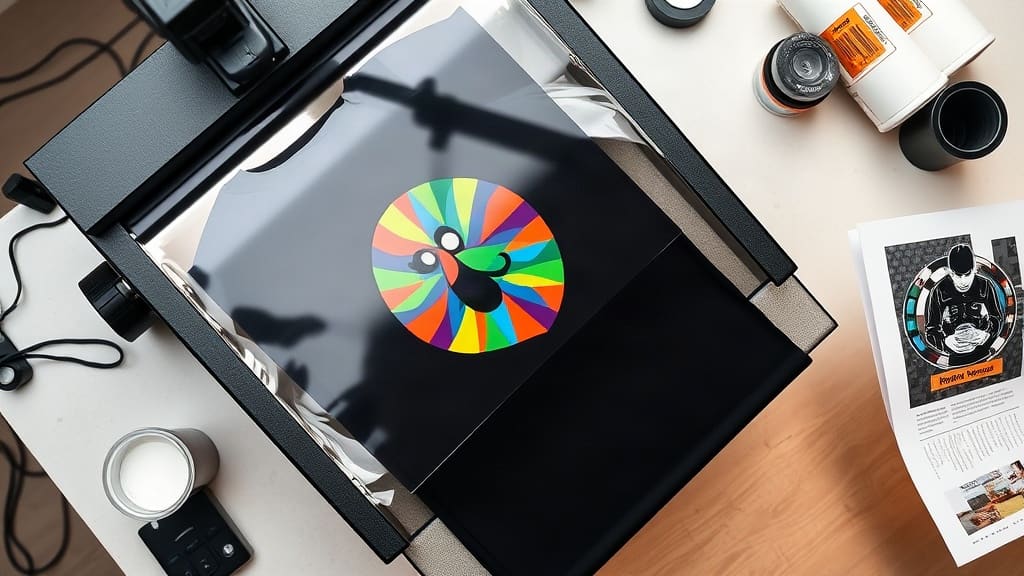
If you're in the custom printing world, you've likely heard the buzz around DTF transfers. This technology has taken the industry by storm, offering a fresh way to produce vibrant, detailed prints on a wide range of fabrics. But what exactly are they, and how can you make the most of them? In this guide, we'll break down everything you need to know, from the basic process to advanced tips for perfect results.
What Are DTF Transfers?
DTF stands for Direct to Film. It's a printing method where a design is printed onto a special film, then transferred to fabric using heat and adhesive powder. Unlike other methods, it works on a variety of materials, including cotton, polyester, blends, and even tricky fabrics like nylon.
The process is straightforward: you print your design in reverse onto the film, apply adhesive powder, cure it, and then press it onto your garment. The result is a vibrant, soft-feeling print that can hold up to repeated washing. For businesses, this means you can offer custom apparel without needing separate screens or expensive equipment for each color.
Why DTF is a Game Changer
The appeal of DTF transfers lies in their versatility and ease of use. Here are some key advantages:
- Vibrant colors: The ink lays on the surface, so colors pop even on dark fabrics.
- Soft hand feel: The powder creates a thin layer that doesn't crack or peel easily.
- No weeding: Unlike vinyl, you don't have to cut away excess material, saving time.
- Any design: Full-color, gradient, or intricate details are no problem.
- Low minimums: You can print one item or hundreds without extra setup.
For small businesses and entrepreneurs, this technology lowers the barrier to entry. You don't need a large upfront investment in screens or embroidery machines. A DTF printer and a heat press can get you started.
How to Use DTF Transfers: Step-by-Step
Getting started with DTF transfers is easier than you might think. Here's a simple breakdown:
- Prepare your design: Create a high-resolution image, mirror it horizontally.
- Print on film: Use a DTF printer with CMYK plus white ink. The white layer is crucial for opacity.
- Apply adhesive powder: While the ink is wet, cover the film with adhesive powder, ensuring full coverage.
- Cure the powder: Use a curing oven or a heat press to melt the powder slightly, so it sticks to the ink.
- Press onto fabric: Place the film on your garment, ink side down, and press with a heat press at around 300°F for 15 seconds.
- Peel: After pressing, peel off the film while it's hot or cold, depending on your preference.
One common mistake is not using enough pressure. Ensure your heat press is set to medium to firm pressure to get a solid transfer.
Choosing the Right Materials
The quality of your final print depends heavily on the materials you use. Here's what to consider:
- Film: Look for a clear, matte film that releases easily. The thickness can affect peel.
- Ink: Use high-quality pigment inks, especially the white ink, which needs to be opaque.
- Powder: Hot melt adhesive powder is standard. Particle size matters: finer for smooth, larger for textured.
- Fabric: Cotton and polyester blends work best. For 100% polyester, you might see some ghosting due to sublimation.
Testing is key. Before a big run, do a test press on the exact fabric you'll use. Note the temperature and time that give the best color and adhesion.
Curing and Washing: Ensuring Longevity
Proper curing is essential. The adhesive powder needs to melt and bond with the ink and fabric. If undercured, the transfer will crack or peel. If overcured, the colors may dull or the film may be hard to peel.
After pressing, let the garment cool for a few minutes before washing. Recommend washing inside out in cold water and air drying to extend the life of the print. With proper care, a DTF transfer can last as long as the garment itself.
Troubleshooting Common Issues
Even seasoned printers run into hiccups. Here are some common problems and fixes:
- Poor adhesion: Increase temperature or pressing time, and ensure you're using enough powder.
- Ghosting: This occurs when the film slips during pressing. Use heat-resistant tape to secure it.
- Colors looking dull: Check your ink levels, especially white. You may need to increase the number of white layers.
- Film not peeling: Cool it down completely before peeling, or vice versa, depending on the film type.
Keeping a log of your settings for different fabric types can save you time in the long run.
DTF vs. Other Methods
How does DTF stack up against alternatives like screen printing, vinyl, or sublimation? Let's compare:
- Screen printing: Great for large bulk orders with flat colors, but setup is expensive and colors are limited.
- Vinyl: Ideal for simple designs and small quantities, but not suitable for full-color or detailed graphics.
- Sublimation: Produces vibrant prints but only works on polyester or light-colored fabrics.
- DTF: Combines the best: full-color, any fabric, and no minimums. It's a versatile choice for many businesses.
For a custom apparel business, DTF offers flexibility that other methods can't match. You can offer a wide range of products without stocking many blanks.
Cost-Effectiveness for Small Businesses
Investing in DTF equipment can be a significant upfront cost, but the return is often worth it. Here's why:
- Low cost per print: For small runs, DTF is cheaper than screen printing because there's no setup.
- High margin: You can charge premium prices for custom, on-demand items.
- No inventory: Print as you go, reducing waste and storage needs.
If you're just starting, consider using a DTF transfer service. Many companies offer printed transfers that you simply press. This allows you to test the market without a big investment.
Creative Applications
Beyond t-shirts, DTF transfers can be used on a variety of products:
- Hoodies and sweatshirts
- Tote bags and backpacks
- Pillowcases and home decor
- Aprons and workwear
- Even leather and denim
This versatility opens up endless possibilities for personalization and branding. You can create unique gifts, promotional items, or merchandise for events.
Final Thoughts on DTF Transfers
Embracing DTF transfers can elevate your printing game. They offer a perfect balance of quality, ease, and affordability. Whether you're a hobbyist or a growing business, this technology allows you to bring your creative visions to life with stunning results.
Remember to invest in good materials, take time to test, and don't be afraid to experiment. The more you work with DTF, the better you'll understand its nuances. Happy printing!
Frequently Asked Questions
Can DTF transfers be used on dark-colored shirts?
Yes, that's one of the biggest advantages. The white ink layer acts as a base, making colors vibrant on any fabric color. Just ensure you have enough white ink coverage to prevent the garment color from showing through.
How long do DTF transfers last on garments?
With proper application and care, DTF transfers can last as long as the shirt itself. They are durable and withstand repeated washing. Avoid high heat drying to prolong the life.
Do I need a special printer for DTF transfers?
Yes, you need a printer that can handle DTF inks, which includes white ink. Many Epson and other inkjet printers can be converted, but it's best to use a dedicated DTF printer to avoid clogging issues.
Can I use DTF transfers on polyester sports jerseys?
It's possible, but you need to be cautious. Polyester can be sensitive to high heat, causing scorching or ghosting. Use a lower temperature and a Teflon sheet to protect the fabric. Test on a scrap piece first.
What is the best way to store DTF films?
Store printed films in a cool, dry place away from direct sunlight. Excessive heat or humidity can affect the adhesive powder. Keep them flat or rolled loosely to prevent creases.