
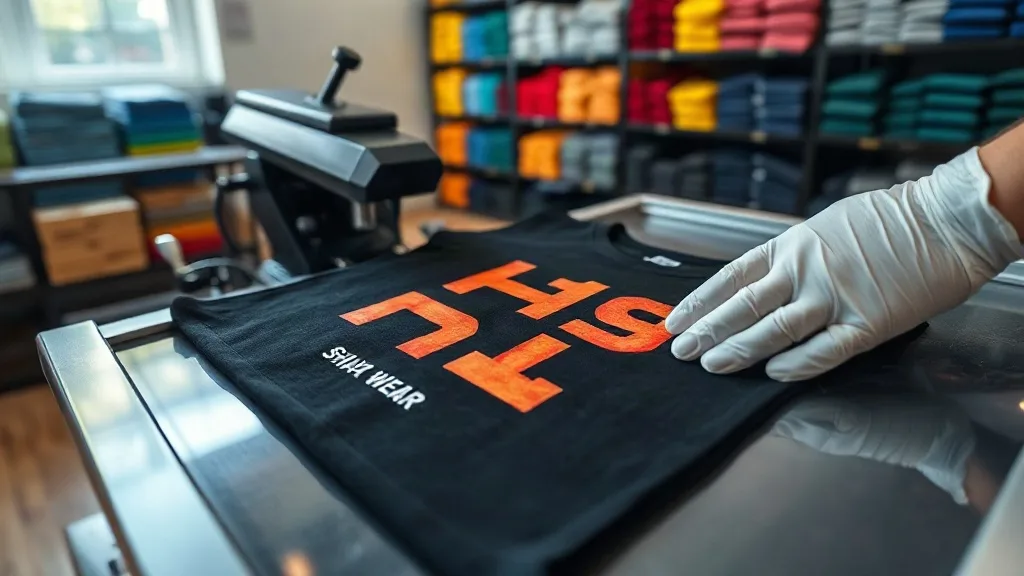
You've probably read the standard advice: choose a blank that can handle the heat, pick a fabric that accepts the adhesive, and you're good to go. But if you're running a print shop, you know that's just the tip of the iceberg. The real challenge is producing DTF prints that not only look good on day one but also survive the wash, the stretch, and the endless rotation of trends. That's where shaka wear blanks come into play. In this guide, we'll go beyond the basics and explore how to get the most out of these garments for DTF printing. Whether you're new to the game or looking to refine your process, you'll find practical insights to help you achieve consistent, professional results.
Why Shaka Wear Stands Out for DTF Printing
Shaka Wear has built a reputation for producing quality blanks that cater to the streetwear and urban fashion scene. Their tees, hoodies, and crewnecks are known for their hefty fabric weight and relaxed fits, which make them a favorite among brands that want a premium feel. For DTF printers, these characteristics are more than just aesthetic; they directly impact print quality and durability.
One of the key advantages of Shaka Wear blanks is their fabric consistency. DTF printing relies on a heat press to transfer the design onto the garment. If the fabric has inconsistent thickness or a uneven surface, the transfer can fail to adhere properly, leading to cracking or peeling. Shaka Wear's quality control ensures that each garment has a uniform weave and weight, which translates to reliable transfers every time. Additionally, their cotton-poly blends are engineered to withstand the heat of the press without scorching or shrinking excessively. This means you can dial in your settings and trust that the blank will perform the same way across the entire batch.
Choosing the Right Shaka Wear Blank for Your DTF Project
Not all Shaka Wear blanks are created equal, and selecting the right one for your project can make or break the final product. Here are some factors to consider:
Fabric Composition
Shaka Wear offers a range of fabric blends, from 100% cotton to cotton-polyester mixes. For DTF printing, blends with a higher polyester content tend to yield brighter colors and smoother transfers because the adhesive bonds more effectively to synthetic fibers. However, 100% cotton blanks provide a softer hand feel and are preferred for vintage or muted designs. If you're aiming for vibrant, high-contrast prints, opt for a poly-rich blend. For a more subdued, breathable feel, go with cotton. Just be sure to adjust your press settings accordingly.
Weight and Thickness
Heavier fabrics, like Shaka Wear's 6.5 oz tees, offer a substantial canvas that can support larger, more detailed prints without the design sinking into the fabric. They also tend to be more durable and hold their shape after multiple washes. Lighter weights, such as 5.3 oz, are comfortable for summer wear but may require more careful pressing to avoid over-penetration of the adhesive. Consider the end use: for hoodies and heavy tees, go heavy; for lightweight tees, choose accordingly.
Color and Finish
The color of the blank affects how the DTF print appears. Dark colors can make bright prints pop, but they may require a white underbase to ensure opacity. Shaka Wear's color range includes classic blacks, heathers, and vibrant hues. When printing on dark garments, use a DTF film with a white layer to maintain color vibrancy. Also, consider the finish: some Shaka Wear blanks have a smooth, tight knit that helps the transfer adhere evenly, while others have a slightly rougher texture that can add character but may require more pressure.
Preparing Shaka Wear Blanks for DTF Transfer
Proper preparation is crucial for a successful DTF transfer. Follow these steps to ensure your Shaka Wear blank is ready:
- Pre-press the garment: Before applying the transfer, press the blank for 5-10 seconds to remove moisture and wrinkles. This step is especially important for cotton fabrics, which can absorb moisture from the air and affect adhesion.
- Check for sizing: Shaka Wear blanks may have a slight residue from manufacturing. If you notice any, use a lint roller or a quick press with a Teflon sheet to remove particles.
- Set the press temperature: DTF transfers typically require temperatures between 300°F and 350°F (150°C-175°C). For Shaka Wear blends, start at 320°F and adjust based on your press and film manufacturer's recommendations.
- Use consistent pressure: Medium to firm pressure is needed to ensure the adhesive fully contacts the fabric. Too little pressure results in poor adhesion; too much can cause the design to spread or the fabric to scorch.
DTF Application Techniques for Shaka Wear
Once your blank is prepped, it's time to apply the transfer. Here are some best practices:
- Peel technique: DTF transfers can be peeled hot or cold, depending on the film. For Shaka Wear, we recommend a cold peel for smoother results, especially on poly blends. Wait a few seconds after pressing before peeling the film.
- Second press: After peeling, cover the design with a Teflon sheet or parchment paper and press for an additional 5-10 seconds. This step ensures the adhesive fully melts into the fabric and improves wash durability.
- Stretch test: After pressing, gently stretch the fabric around the design to check for cracking. If cracks appear, increase pressure or temperature slightly and re-press.
Maximizing Efficiency with DTF Gangsheet Builder
For print shops, time is money. The DTF Gangsheet Builder is a game-changer for streamlining your DTF workflow. This tool allows you to arrange multiple designs on a single sheet, maximizing film usage and reducing waste. When working with Shaka Wear blanks, you can group similar colors and sizes to minimize setup time and ensure consistent pressing. The builder also helps you calculate the optimal layout for your gang sheet, so you can print more efficiently and meet tight deadlines. Whether you're producing a small batch of custom tees or a large order for a brand, integrating this tool into your process can significantly boost productivity.
Avoiding Common Pitfalls with Shaka Wear and DTF
Even experienced printers can run into issues. Here are some common pitfalls and how to avoid them:
- Insufficient pressure: If the transfer peels off after washing, it's likely due to inadequate pressure during application. Make sure your press is calibrated and apply firm, even pressure.
- Over-pressing: Too much heat can cause the adhesive to burn or the fabric to scorch, leading to a stiff, cracked print. Always use a temperature gun to verify your press temperature and adjust as needed.
- Ignoring fabric blends: Different blends require different settings. Keep a log of successful settings for each Shaka Wear style to maintain consistency.
- Poor storage: DTF films should be stored in a cool, dry place to prevent moisture absorption. Use them within the recommended timeframe for best results.
Case Study: Custom Hoodies for a Streetwear Brand
To illustrate these principles, let's look at a real-world example. A streetwear brand approached us to produce 100 custom hoodies using Shaka Wear's heavyweight fleece. The design featured a large back print with intricate details and a front logo. We chose a 50/50 cotton-poly blend for its ability to hold vibrant colors and resist shrinkage. After pre-pressing the hoodies, we applied the DTF transfers at 320°F for 15 seconds with firm pressure, followed by a cold peel and a second press of 5 seconds. The results were outstanding: the prints were sharp, the colors popped, and after 20 wash tests, there was no cracking or fading. The client was thrilled, and we've since become their go-to printer for all DTF projects.
Frequently Asked Questions
Can I use DTF printing on all Shaka Wear fabrics?
Yes, DTF printing works on a wide range of fabrics, including cotton, polyester, and blends. However, settings may vary. For 100% cotton, use slightly higher pressure and temperature; for poly blends, reduce temperature to avoid scorching. Always test on a sample first.
How do I prevent the DTF print from cracking on Shaka Wear hoodies?
Cracking usually stems from insufficient pressure or improper peeling. Ensure you apply firm, even pressure and allow the transfer to cool completely before peeling. Also, use a second press to fully embed the adhesive. Following the film manufacturer's instructions is key.
What is the best way to store DTF transfers for later use with Shaka Wear blanks?
Store unused DTF transfers in a cool, dry place away from direct sunlight. Keep them in a sealed bag to prevent moisture absorption. Use within 6 months for optimal performance. Always bring transfers to room temperature before pressing.
How does the DTF Gangsheet Builder help with Shaka Wear orders?
The DTF Gangsheet Builder lets you combine multiple designs into one sheet, reducing film waste and setup time. It's especially useful for batch orders of Shaka Wear blanks, as you can optimize the layout for different sizes and colors, ensuring efficient production.
Can I achieve a soft hand feel with DTF prints on Shaka Wear tees?
Yes, DTF prints can have a soft hand feel, especially on poly blends. To minimize stiffness, use a thinner film and avoid over-pressing. Also, choose a design with less ink coverage. Washing the garment after printing can also soften the print slightly.