
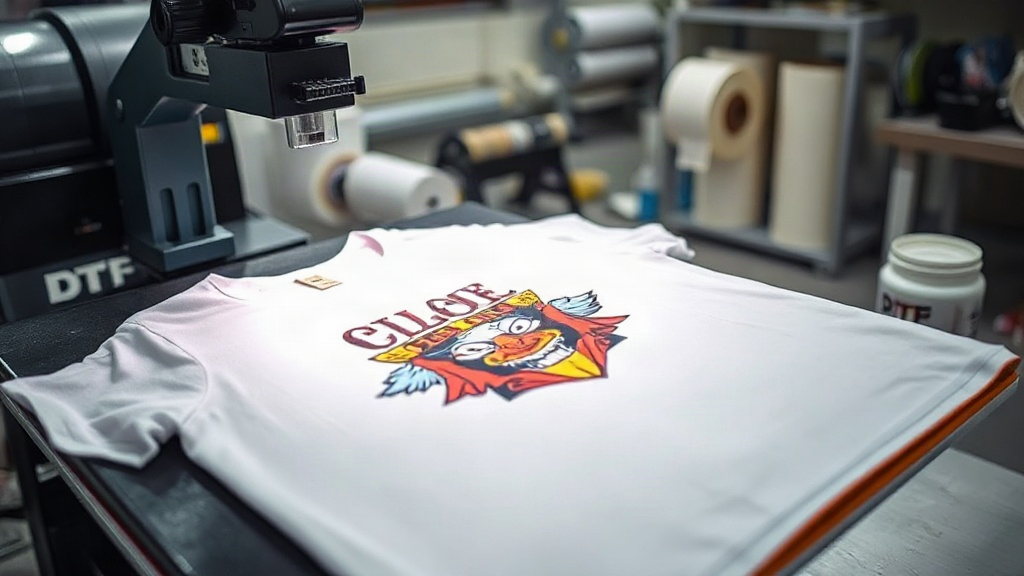
If you've been exploring custom apparel printing, you've likely encountered DTF printing. Short for Direct-to-Film, this method is rapidly gaining popularity for its versatility and vibrant results. Unlike traditional techniques, DTF printing allows you to transfer detailed designs onto various fabrics with ease. In this guide, we'll walk you through everything you need to know about DTF printing, from the basics to advanced tips, so you can decide if it's right for your next project.
What is DTF Printing?
DTF printing is a digital printing technology where designs are printed onto a special film, coated with adhesive powder, and then heat-pressed onto fabric. This process eliminates the need for pre-treatment or weeding, making it simpler than other methods like DTG or screen printing. The result is a soft, durable print that adheres well to cotton, polyester, and blends.
The DTF Printing Process Step by Step
- Design Preparation: Create your artwork in a graphics program and mirror it horizontally.
- Printing: The design is printed onto a PET film using specialized DTF inks.
- Powdering: While the ink is wet, a hot-melt adhesive powder is applied evenly.
- Curing: The film is heated to melt the powder, creating a transferable layer.
- Heat Press: The film is placed on the fabric and pressed with heat and pressure.
- Peeling: After cooling, the film is peeled away, leaving the design bonded to the fabric.
Why Choose DTF Printing?
There are several reasons why DTF printing stands out:
- Versatility: Works on a wide range of fabrics, including cotton, polyester, nylon, and even leather.
- No Weeding: Unlike vinyl, there's no tedious cutting or weeding involved.
- Vibrant Colors: DTF inks produce bright, opaque colors that pop on both light and dark garments.
- Durability: Prints resist cracking, peeling, and fading even after multiple washes.
- Cost-Effective for Small Batches: Ideal for short runs since no screens or plates are needed.
DTF vs. Other Printing Methods
How does DTF compare to DTG, screen printing, and vinyl? Let's break it down.
DTF vs. DTG
DTG (Direct-to-Garment) prints directly onto fabric, often requiring pre-treatment. It excels on 100% cotton but struggles on synthetics. DTF, on the other hand, adheres to almost any fabric and doesn't need pre-treatment, making it more versatile.
DTF vs. Screen Printing
Screen printing is cost-effective for large orders but requires setup for each color. DTF is better for detailed, multi-color designs and small batches, with no setup fees.
DTF vs. Heat Transfer Vinyl
HTV requires weeding and layering, which is time-consuming. DTF transfers are ready to press, saving hours on complex designs.
Getting Started with DTF Printing
Ready to try DTF printing? Here's what you'll need:
- DTF Printer: A dedicated printer with DTF inks (e.g., Epson converted models).
- DTF Film: PET film designed for DTF printing.
- Adhesive Powder: Hot-melt powder for bonding.
- Heat Press: A reliable heat press for transferring.
- Design Software: Any graphic software like Photoshop or Illustrator.
Tips for Successful DTF Printing
- Always mirror your design before printing.
- Ensure the film is completely dry before powdering.
- Apply powder evenly; excess can cause a rough feel.
- Cure the powder properly to avoid transfer issues.
- Use the correct heat press settings for your fabric.
- Test on a scrap piece before full production.
Common DTF Printing Challenges and Solutions
Even with its simplicity, DTF printing can present challenges. Here are some common issues and how to fix them:
- Faded Prints: Under-cured powder or insufficient pressure. Increase temperature or pressure.
- Cracking: Too much powder or over-stretching the fabric. Use less powder and avoid stretching.
- Poor Adhesion: Wrong powder or insufficient heat. Use high-quality powder and check press settings.
- Clogged Printheads: Regular maintenance and cleaning are essential.
Frequently Asked Questions
What fabrics can I use with DTF printing?
DTF printing works on cotton, polyester, blends, nylon, leather, and more. It's one of the most versatile methods available.
How durable is DTF printing?
When done correctly, DTF prints are highly durable, withstanding 50+ washes without fading or cracking.
Can I use DTF printing for small batches?
Absolutely! DTF is perfect for small batches because there are no setup costs, making it cost-effective for one-off items or limited runs.
Do I need special ink for DTF printing?
Yes, DTF printing requires DTF-specific inks, which are formulated to adhere to the film and bond with the adhesive powder.
Is DTF printing environmentally friendly?
While DTF printing uses plastic film and powder, advances are being made with biodegradable films and eco-friendly powders. It's generally considered more eco-friendly than screen printing due to less water usage.