
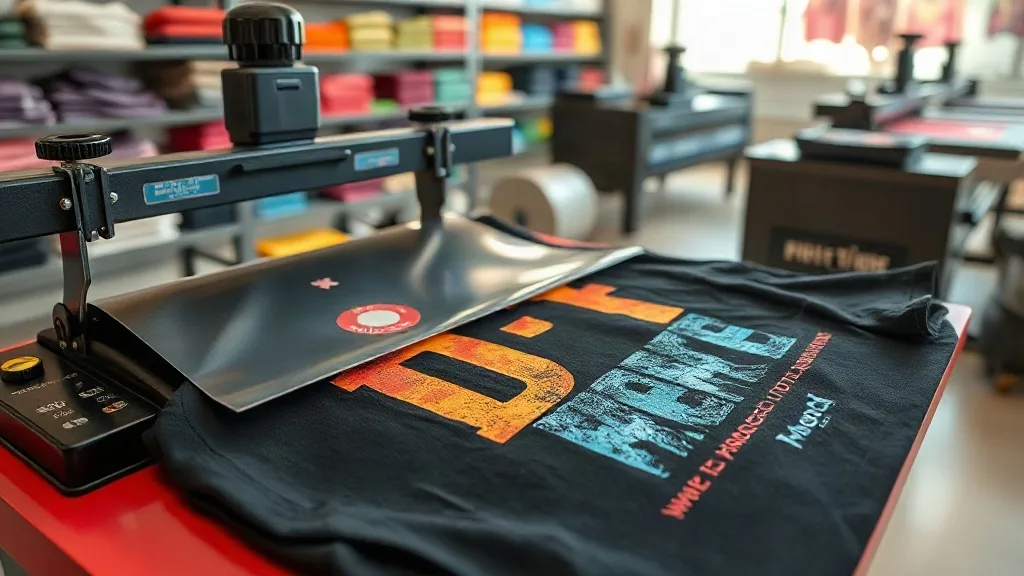
Custom apparel has become a powerful way to express individuality, promote businesses, or commemorate events. Among the various printing methods available, DTF transfers have emerged as a game-changer, offering unmatched versatility and vibrant results. Whether you're a hobbyist crafter or a professional print shop owner, understanding DTF technology can elevate your creations. In this guide, we'll explore what DTF transfers are, how they work, and why they might be the perfect solution for your next project.
What Are DTF Transfers?
DTF stands for Direct-to-Film, a printing technology that involves transferring a design onto a special film, then applying it to fabric using heat and pressure. Unlike direct-to-garment (DTG) printing, which prints directly onto the fabric, DTF transfers allow you to print on a wide range of materials, including cotton, polyester, blends, and even nylon. The process begins with printing your design onto a PET film using specialized DTF inks, followed by a powder adhesive application. Once the film is ready, it can be stored and later applied to garments with a heat press.
Why Choose DTF Transfers?
DTF transfers offer several compelling advantages that make them a preferred choice for many professionals:
- Versatility: Works on almost any fabric type, including dark and light colors, without the need for pre-treatment.
- Durability: Prints are highly resistant to cracking, fading, and washing, ensuring long-lasting results.
- Vibrancy: DTF inks produce bright, saturated colors with fine details, perfect for intricate designs.
- Cost-effective: Minimal waste and the ability to print on demand make DTF economical for small and large runs.
- Speed: The process is fast, from printing to application, ideal for tight deadlines.
How to Apply DTF Transfers
Applying DTF transfers is straightforward but requires attention to detail to achieve professional results. Here's a step-by-step guide:
- Prepare your heat press: Set the temperature to around 300-325°F (150-160°C) and ensure even pressure.
- Pre-press the garment: Briefly press the fabric to remove moisture and wrinkles.
- Place the transfer: Position the DTF film on the garment with the printed side facing up.
- Press: Apply heat and pressure for 10-15 seconds.
- Peel: Wait for the film to cool completely (cold peel) or peel while hot, depending on the film type. Most DTF transfers are cold peel.
- Post-press: Cover with parchment paper or a Teflon sheet and press again for 5-10 seconds to ensure the adhesive fully bonds.
Choosing the Right DTF Transfers
When sourcing dtf transfers near me, quality is paramount. Look for suppliers that offer:
- High-resolution printing with vibrant colors.
- Consistent film quality that peels easily.
- Compatible with a range of fabrics.
- Fast turnaround and reliable shipping.
For those in the market, HarwinDTF provides top-tier DTF transfers that meet these criteria, ensuring your projects shine.
DTF vs. Other Printing Methods
How does DTF compare to other popular techniques like screen printing, DTG, and vinyl? Each has its strengths, but DTF stands out for its ability to handle complex designs on various fabrics without extensive setup. Screen printing is cost-effective for large orders but requires separate screens per color. DTG is excellent for cotton but struggles with polyester. Vinyl is durable but limited in detail. DTF bridges the gap, offering detailed, full-color prints on almost any material.
Common Mistakes to Avoid with DTF Transfers
Even experienced users can encounter issues. Here are pitfalls to watch out for:
- Insufficient pressure: Leads to poor adhesion and early peeling.
- Wrong temperature: Too hot can scorch the film; too cold results in incomplete transfer.
- Not pre-pressing: Moisture in fabric can cause bubbling.
- Peeling too early: Always follow the recommended peel method (hot vs. cold).
- Ignoring fabric type: Some fabrics require lower temperatures or special handling.
Frequently Asked Questions About DTF Transfers
How long do DTF transfers last?
With proper application and care, DTF transfers can last as long as the garment itself. They withstand multiple washes without cracking or fading.
Can I use DTF transfers on dark shirts?
Absolutely! DTF transfers include a white ink layer that makes colors pop on dark fabrics, eliminating the need for a separate white underbase.
Do I need a special printer for DTF?
Yes, DTF requires a printer that uses DTF inks and a powder shaker. However, if you're not ready to invest, many services offer pre-printed transfers.
What is the best way to store DTF transfers?
Store unused transfers in a cool, dry place away from direct sunlight. Keep them flat to avoid creasing.
DTF transfers are revolutionizing the custom apparel industry with their versatility and quality. Whether you're creating team jerseys, personalized gifts, or promotional merchandise, this technology delivers outstanding results. Explore the possibilities and see why so many professionals are switching to DTF.