
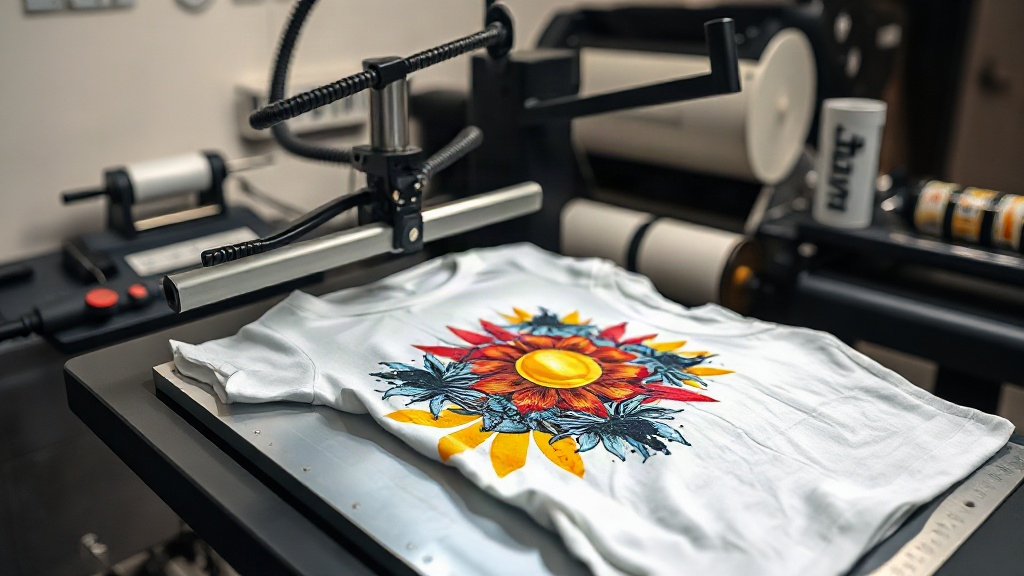
If you've been exploring custom apparel printing, you've likely encountered DTF printing. Short for Direct-to-Film, this technology has rapidly gained popularity for its versatility and vibrant results. Unlike traditional methods, DTF printing allows you to transfer detailed designs onto a wide range of fabrics, from cotton to polyester and blends. In this guide, we'll dive deep into the world of DTF printing, covering everything from the process to practical tips for achieving professional-quality transfers.
What is DTF Printing?
DTF printing is a digital printing technique where your design is printed onto a special film, coated with adhesive powder, and then heat-pressed onto the fabric. The process begins with a printer equipped with pigment-based inks that print the design in reverse onto a PET film. After printing, a hot melt adhesive powder is applied to the wet ink, and the film is cured. Finally, the transfer is placed on the garment and pressed with a heat press, where the adhesive melts and bonds the ink to the fabric.
Why Choose DTF Printing?
There are several reasons why DTF printing stands out among other decoration methods:
- Versatility: Works on almost any fabric, including cotton, polyester, blends, and even leather.
- No Pretreatment: Unlike DTG printing, DTF doesn't require pre-treating the garment.
- Vibrant Colors: Produces bright, opaque prints with excellent detail.
- Durability: When applied correctly, DTF transfers withstand repeated washing without cracking or fading.
- Cost-Effective for Small Runs: Ideal for small businesses or individuals, as no minimum order quantity is needed.
DTF Printing Process Step by Step
Understanding the DTF printing process is key to achieving great results. Here's a breakdown of each stage:
1. Design Preparation
Start with a high-resolution image. Remember that DTF prints are opaque, so white ink is used as a base. Ensure your design has transparent backgrounds if needed. Mirror the image horizontally before printing, as the transfer will be flipped when pressed.
2. Printing
Load the PET film into your DTF printer. The printer lays down white ink first, followed by color inks. Some printers also apply a clear protective layer. The printed film should be handled carefully to avoid smudging.
3. Powder Application
While the ink is still wet, sprinkle hot melt adhesive powder evenly over the design. Shake off excess powder. This powder is what will bond the print to the fabric.
4. Curing
Place the film in a curing oven or under a heat source to melt the powder. The powder should turn glossy, indicating it's melted. Curing typically takes 2-3 minutes at around 160°C (320°F).
5. Heat Pressing
Set your heat press to the recommended temperature (usually 150-160°C or 300-320°F) and pressure. Place the transfer on the garment and press for 10-15 seconds. Allow it to cool before peeling off the film. You can peel it hot or cold, depending on the film type.
DTF Printing vs. Other Methods
How does DTF compare to other popular printing techniques?
DTF vs. DTG
Direct-to-Garment (DTG) printing is limited to cotton fabrics and requires pretreatment. DTF works on more materials and often produces more vibrant colors. However, DTG can be softer to the touch for all-over prints.
DTF vs. Screen Printing
Screen printing is cost-effective for large orders but requires separate screens for each color. DTF excels for detailed, multi-color designs without setup costs, making it perfect for small batches.
DTF vs. Vinyl
Heat transfer vinyl (HTV) is great for simple designs but limited in color gradients. DTF can print full-color images with gradients and fine details.
Tips for Successful DTF Printing
To get the best results from your DTF printer, follow these expert tips:
- Use Quality Supplies: Invest in good PET film and adhesive powder to avoid clogs and poor adhesion.
- Maintain Your Printer: Regular cleaning and maintenance prevent ink clogs and ensure consistent output.
- Test Your Settings: Each fabric may require slight adjustments in temperature, pressure, and time. Always test on a scrap piece first.
- Store Transfers Properly: Keep unused transfers in a cool, dry place to prevent the powder from absorbing moisture.
- Press with Care: Ensure even pressure and avoid overheating, which can scorch the fabric or cause the ink to spread.
Applications of DTF Printing
DTF printing is not just for t-shirts. Its versatility opens up a world of possibilities:
- Custom Apparel: T-shirts, hoodies, jeans, and activewear.
- Accessories: Tote bags, hats, and socks.
- Home Decor: Cushion covers, aprons, and towels.
- Promotional Items: Uniforms, event merchandise, and corporate gifts.
Common DTF Printing Problems and Solutions
Even with careful attention, issues can arise. Here are some common problems and how to fix them:
Poor Adhesion
If the transfer peels off after washing, it could be due to insufficient pressure, incorrect temperature, or old powder. Ensure your heat press is calibrated and use fresh supplies.
Clogged Printhead
Clogs often result from infrequent use or improper maintenance. Run a cleaning cycle regularly and store the printer with ink in the lines.
Color Fading
Fading can occur if the transfer is under-cured or washed with harsh chemicals. Always follow curing guidelines and wash garments inside out in cold water.
Frequently Asked Questions
What fabrics can I use with DTF printing?
DTF transfers work on a wide range of fabrics, including cotton, polyester, nylon, leather, and blends. It's particularly useful for polyesters and blends where other methods struggle.
Do I need a special printer for DTF?
Yes, you need a DTF printer that uses pigment inks and can print white ink. Some modified DTG printers can also be used for DTF with appropriate inks and films.
How long do DTF prints last?
When properly applied and cared for, DTF prints can last as long as the garment itself. They are durable and resistant to cracking and fading.
Can I use DTF on dark garments?
Absolutely! DTF printing is excellent for dark fabrics because the white ink base ensures colors pop. No need for a separate white underbase.
Is DTF printing cost-effective for small businesses?
Yes, DTF printing has low startup costs and no minimum order requirements, making it ideal for small businesses, crafters, and startups.
Conclusion
DTF printing is a game-changer in the world of custom apparel decoration. Its ability to produce vibrant, durable prints on diverse fabrics with minimal setup makes it a favorite among hobbyists and professionals alike. By mastering the process and following our tips, you can unlock endless creative possibilities. Whether you're starting a business or personalizing gifts, DTF printing offers a reliable and impressive solution.