
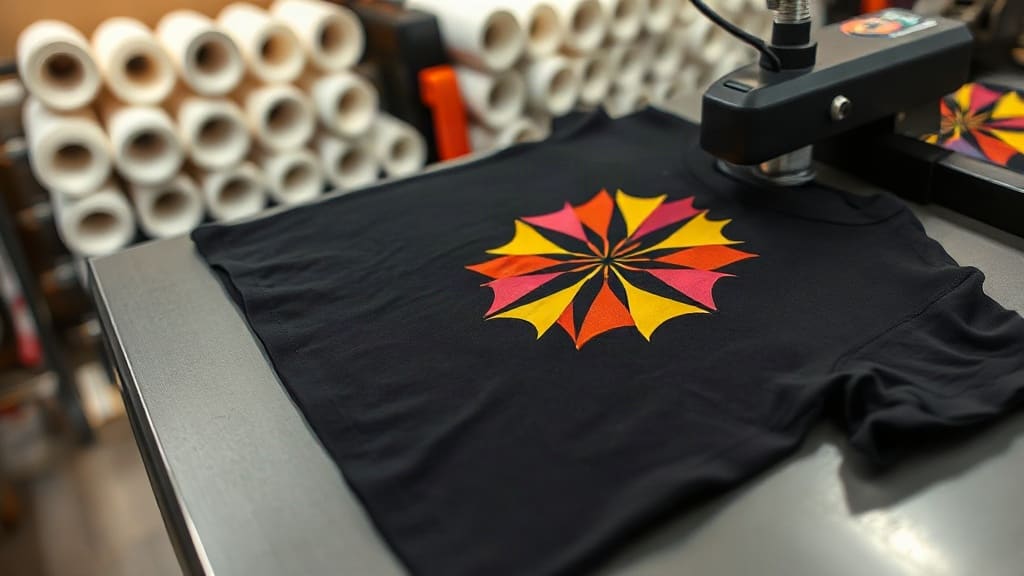
Direct to film, commonly known as DTF, has revolutionized the custom printing industry. If you've been searching for a versatile, cost-effective method to create vibrant designs on various fabrics, DTF might be your answer. Unlike traditional screen printing or vinyl cutting, DTF printing offers a unique combination of durability and flexibility. In this comprehensive guide, we'll dive deep into what DTF transfers are, how they work, their benefits, and crucial factors to consider when looking for DTF transfers near me. Whether you're a hobbyist or a business owner, this article will equip you with the knowledge to make informed decisions.
What Are DTF Transfers?
DTF transfers are a printing technique where a design is printed onto a special PET film using a DTF printer and then transferred onto a substrate, typically fabric, using a heat press. The process involves printing a mirror image of the design with CMYK colors and white ink, applying a hot-melt adhesive powder, and then curing it. The final transfer can be stored and applied later, making it a convenient option for both small and large production runs.
The beauty of DTF lies in its versatility. It can be applied to cotton, polyester, blends, and even leather or nylon, without the need for pre-treatment. This makes it a favorite among custom apparel businesses, sports teams, and promotional product companies.
How Does DTF Printing Work?
To truly appreciate DTF transfers, it's essential to understand the step-by-step process involved:
- Design Preparation: Your artwork is created or edited using graphic software. The design is then printed in reverse (mirrored) to ensure correct orientation when transferred.
- Printing: A DTF printer applies the design onto a high-quality PET film. White ink is printed as an underbase to ensure colors pop on dark garments, followed by CMYK colors.
- Adhesive Application: After printing, a special adhesive powder is applied to the wet ink. This powder sticks to the ink and is then melted and cured, creating a strong bond when heat is applied.
- Curing: The film passes through a curing oven or heat source to melt the adhesive powder into the ink, making it tacky for transfer.
- Transfer: The film is placed on the fabric, and heat press applies pressure and temperature, typically around 320°F (160°C) for 15-20 seconds. The adhesive melts, transferring the design onto the fabric.
- Peeling: Once cooled, the film is peeled away, revealing the vibrant, durable design.
This process is efficient and can be performed with minimal setup, making it ideal for on-demand printing.
Advantages of DTF Transfers Over Other Methods
When comparing DTF to traditional printing methods like screen printing, heat transfer vinyl (HTV), or sublimation, several advantages emerge:
- Versatility: DTF works on a wide range of fabrics, including dark colors, without pre-treatment. This is a significant advantage over sublimation, which only works on polyester and light-colored fabrics.
- Cost-Effective for Small Runs: Unlike screen printing, which has high setup costs for small quantities, DTF is economical for single items or small batches.
- Soft Hand Feel: The adhesive layer creates a flexible, soft-feeling print that doesn't crack or fade easily, providing excellent wash durability.
- High Detail and Color Accuracy: DTF printing can reproduce intricate details and vibrant colors, making it ideal for complex logos or photographs.
- Fast Production: Once the design is printed, transfers can be stored and applied quickly, making it perfect for urgent orders.
- No Screen or Setup Fees: Since it's a digital process, there's no need for screens or other setup, saving time and money.
These benefits make DTF transfers an attractive option for many printing needs.
Choosing the Right DTF Transfer Provider
If you're a business owner or an individual looking to print custom apparel, you might be searching for "DTF transfers near me" to find local providers. However, with the rise of online printing services, you have the option to order from remote companies that ship directly to your door. When selecting a provider, consider the following factors:
Quality of Materials
Ensure the provider uses high-quality PET films, inks, and adhesives. Cheap materials can lead to poor adhesion, cracking, or fading. Look for providers that offer samples or have positive reviews regarding durability.
Print Resolution and Color Accuracy
A professional DTF printer should produce sharp, vibrant images. Ask about their printer setup and resolution (typically 1440 dpi or higher). Color management is also crucial; they should use ICC profiles to ensure colors match your design.
Turnaround Time
If you have deadlines, check their production and shipping times. Some local providers might offer same-day service, while online stores may take several days. Balance speed with quality.
Pricing
Compare prices per transfer, but beware of extremely low prices, as they often indicate lower quality. Also, consider any additional fees for setup, shipping, or filament.
Customer Support
Reliable providers should offer clear communication and support. They should be willing to answer questions about file requirements, sizing, and application instructions.
When searching for "DTF transfers near me," don't overlook online providers. Many offer free shipping, quick turnaround, and competitive pricing, making them a convenient choice regardless of your location.
How to Use DTF Transfers: A Step-by-Step Guide
Once you have your DTF transfers, applying them correctly is key to achieving professional results. Here's a detailed guide:
- Preheat Your Heat Press: Set your heat press to 320°F (160°C). Allow it to heat up fully.
- Prepare the Fabric: Ensure the fabric is clean, dry, and free from wrinkles. Pre-press the garment for 2-3 seconds to remove moisture and wrinkles.
- Position the Transfer: Place the DTF transfer film on the fabric with the printed side facing down (the design will be visible if you look through the film, but you'll see a mirrored version). Ensure it's positioned correctly.
- Apply Heat and Pressure: Press the transfer with medium to firm pressure for 15-20 seconds. Do not move the press during this time.
- Peel the Film: Carefully peel the film back while it's still hot (warm peel) or after it cools slightly, depending on the manufacturer's instructions. Usually, hot peeling is recommended for DTF, but check your specific transfer.
- Optional: Press Again: Some professionals recommend a second press using a silicone sheet or parchment paper to ensure the adhesive fully binds and to enhance durability.
Always test on a scrap fabric first if you're new to DTF transfers. This helps you adjust time and temperature for optimal results.
Common Mistakes to Avoid with DTF Transfers
Even with high-quality transfers, mistakes can happen. Here are some pitfalls to avoid:
- Incorrect Temperature or Time: Too low temperature or short time can result in poor adhesion, while excessive heat can damage the film or fabric.
- Incorrect Peel Method: Some transfers require hot peel, others cold. Follow the instructions to prevent lifting or stretching.
- Skipping Pre-Press: Pre-pressing removes moisture and wrinkles, ensuring a smooth application.
- Using the Wrong Pressure: Too little pressure can cause incomplete transfer; too much can distort the design.
- Washing Too Soon: Wait at least 24 hours before washing the garment to allow the adhesive to fully cure.
By avoiding these, you'll extend the life of your prints.
DTF Transfers for Business: Tips for Success
If you're planning to use DTF transfers for your business, here are some strategies to maximize your success:
Build a Portfolio of Designs
Create a diverse catalog of designs that appeal to your target audience. Offer customization options, such as names and numbers, to attract more customers.
Invest in Quality Equipment
If you're printing your own transfers, invest in a reliable DTF printer and heat press. Research brands and read reviews to ensure you're getting a machine that produces consistent results.
Partner with a Reliable Supplier
If you're outsourcing, establish a strong relationship with a trusted DTF transfer provider. Consistent quality and delivery times are crucial for your reputation.
Market Your Services
Use social media platforms like Instagram and Facebook to showcase your work. High-quality images of your products can attract potential customers.
Offer Wholesale Services
Consider providing bulk discounts for larger orders, which can attract other businesses looking to print merchandise.
Remember, the key to business success is delivering quality that exceeds expectations.
DTF vs. Other Printing Methods: A Comparative Overview
To help you decide, let's compare DTF with other popular printing methods:
DTF vs. Screen Printing
Screen printing is cost-effective for large quantities but has high setup costs. DTF is better for small to medium runs and offers more versatility in colors and gradients.
DTF vs. HTV
HTV is great for simple designs and solid colors, but it can be difficult to apply on intricate designs. DTF handles complex graphics with ease and offers a softer feel.
DTF vs. Sublimation
Sublimation works only on polyester and light-colored fabrics, while DTF works on any fabric. Sublimation also requires special coatings, making DTF more flexible.
Each method has its place, but DTF's versatility makes it a top choice for custom apparel.
DTF Transfers Near Me: How to Find the Best Local Options
If you prefer local sourcing, here are tips to find the best DTF transfers near me:
- Search Online: Use Google Maps or search engines to list DTF printing companies in your area.
- Check Reviews: Look at customer reviews on Google, Yelp, and social media to gauge quality and reliability.
- Ask for Samples: Reputable providers will offer samples or a test print for a small fee.
- Visit Their Facility: If possible, visit their workshop to inspect their equipment and see their work firsthand.
Local providers offer the advantage of face-to-face communication and faster turnaround, but they might have limited capacity compared to large online companies.
Frequently Asked Questions about DTF Transfers
Here are some common questions from those new to DTF:
Can DTF transfers be applied to any fabric?
Yes, DTF works on cotton, polyester, blends, and even some non-fabric materials like leather. However, for best results, ensure the fabric is smooth and can withstand the heat press temperature.
How many washes do DTF transfers withstand?
High-quality DTF transfers can withstand 50 or more washes if applied correctly and washed with care (inside out, cold water). The durability depends on the ink and adhesive quality.
Do I need to pre-treat the fabric?
No, DTF transfers do not require pre-treatment, which is a major advantage over sublimation or direct-to-garment (DTG) printing on dark garments.
What is the turnaround time for DTF transfers?
If you're ordering online, typical turnaround is 2-5 business days for production, plus shipping. Local providers might offer same-day or next-day service for urgent orders.
Are DTF transfers eco-friendly?
Compared to screen printing, DTF uses less water and produces less waste. However, the films and powders are not biodegradable, so proper disposal is important.
Can I use DTF transfers on performance wear?
DTF can be applied to performance fabrics, but the design might not be as breathable as sublimation. For maximum breathability, consider sublimation if the fabric allows.
Armed with this information, you're now ready to explore the world of DTF transfers. Whether you're looking to start a printing business or simply customize your own apparel, DTF offers a perfect blend of quality and convenience.